Thinking Outside the Box Truck
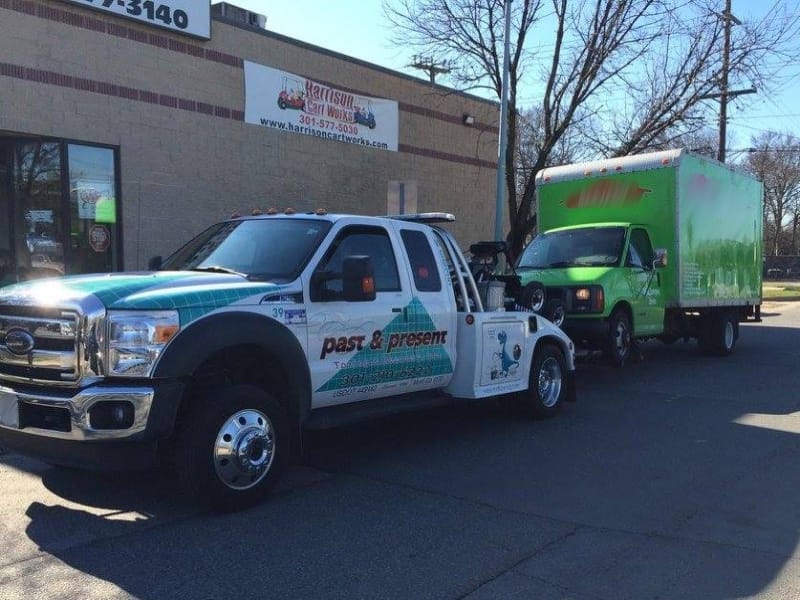
Deliveries and service calls keep the day moving, and we see that rhythm up close when a work van or box truck ends up on the shoulder. Bethesda box truck towing sits right in the middle of regular towing and the bigger heavy-duty world, so the job changes fast depending on weight, height, cargo, and where the vehicle stopped.
Medium duty calls feel familiar because the vehicles look like “normal traffic,” yet the recovery work rarely stays simple. A loaded delivery van can squat low in the rear, a box truck can sit tall and catch wind, and a work van can hide an overloaded interior that changes how it steers and rolls.
Box Trucks and Work Vans Don’t Fail the Same Way
We plan differently for a work van than we do for a box truck, even when both fit under the “medium duty” label. Work vans often have tool racks, partitions, and shelves that shift weight to one side. Box trucks can carry uneven cargo that changes the center of gravity and makes a gentle pull feel jumpy. Delivery vans add another wrinkle because they stop and start all day, so brakes, tires, and transmissions take a steady beating.
Height, Clearance, and Angles Decide the Tow
Medium duty towing starts with the simple question: how do we get it rolling without scraping, bending, or dragging the wrong points. Low clearance and long rear overhang can cause contact when we lift, especially on inclines and tight turns. Height matters too because we watch bridges, tree limbs, and sign arms on the route. We keep the approach calm and measured so the vehicle leaves in the same shape it arrived.
The Medium Towing Setup
We begin by reading the scene like a map. We look at traffic flow, shoulder space, ground slope, and how the vehicle sits, because those details tell us what will happen the moment we start to lift. When a box truck sits at an angle or a van sits heavy in the rear, we adjust our plan so the tow stays steady from the first movement.
Then we choose the safest path out of the spot and the cleanest route to the drop-off. On many calls we handle Bethesda box truck towing alongside work vans and delivery vans, so we keep our setup flexible and our communication clear. We talk through what we will do before we do it, and we keep the driver in the loop so surprises stay off the table.
- Check the vehicle stance and lean before lifting
- Note cargo shift signs like uneven tire squat
- Confirm clearance limits for the route
- Pick a pickup angle that avoids bumper and ramp contact
- Secure for turns and braking, not just straight-line rolling
The Quick Checks That Save Time Later
We spend a few minutes confirming the basics because they prevent longer problems down the road. Then, we look at tire condition, steering position, and where the vehicle can handle lift points without damage. We also pay attention to what the driver tells us about noises, warning lights, and the moment the issue started. That information helps us decide if we should roll it gently, winch it, or keep it fully supported from the start.
Past & Present: Bethesda Box Truck Towing That Keeps Bethesda Moving
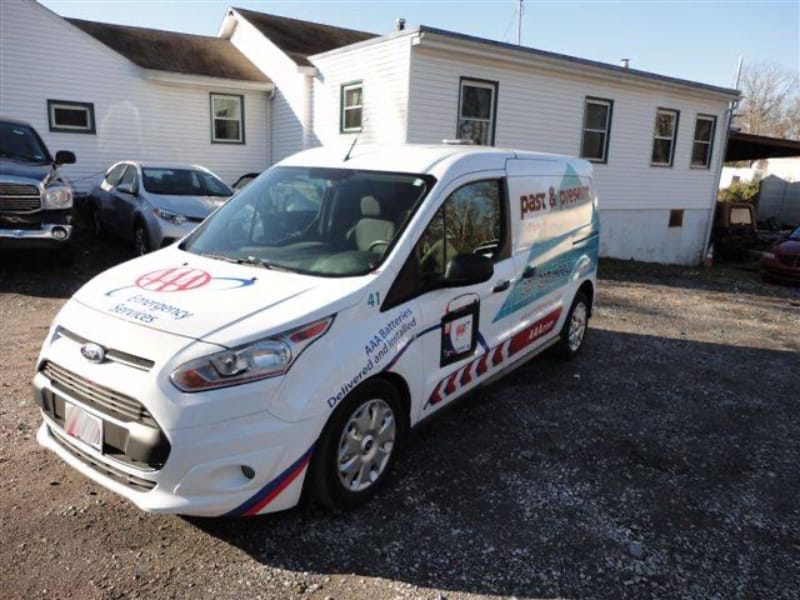
We built our day-to-day work around the vehicles that support local routines, and Bethesda box truck towing sits at the center of that work. Our team tows box trucks, work vans, and delivery vans with a focus on stable hookup, controlled movement, and smart routing, because medium duty jobs punish rushed decisions. We keep our approach practical and clear so drivers know what happens next, from the first look at the scene to the final drop-off.
At Past & Present Towing, we provide Bethesda box truck towing along with towing for work vans and delivery vans, plus help with common roadside needs when a commercial vehicle can’t finish the route. We handle medium duty towing calls with careful setup, steady transport, and clear coordination with drivers and dispatchers, and we stay ready for the variety that comes with commercial traffic. When you call us for Bethesda box truck towing, we bring the same steady process we use for every medium duty job, and we keep the goal simple: move the vehicle without adding new problems. We also support repeat local routes and service fleets, so Bethesda box truck towing stays consistent and predictable when your schedule already feels tight.
FAQ
What counts as a medium duty vehicle?
Medium duty usually includes box trucks, step vans, work vans with equipment racks, and some small commercial flatbeds. If it is larger than a typical pickup or SUV and carries business cargo or tools, it often falls into this category.
Should we unload cargo before a tow?
Only unload if it is safe and you can do it quickly without blocking traffic. In many cases, leaving cargo in place keeps the load stable, especially if shifting items could change balance. Tell the tow operator what you are carrying so they can plan the hookup.
What information should we have ready when we call for a tow?
Have the vehicle make and model, approximate weight class, and your exact location. Add the problem details, such as no start, flat tire, stuck in gear, or collision damage. If the vehicle is loaded, share a rough idea of cargo type and how full it is.
Can a medium duty tow damage the transmission or driveline?
It can if the vehicle gets moved the wrong way. Some vehicles need the drive wheels off the ground, and some need extra steps if the driveline binds or the transmission will not shift to neutral. A quick note to the operator about drivetrain type helps prevent avoidable wear.
What should we do while waiting for the tow truck?
Move to a safe spot away from traffic, turn on hazard lights, and set reflective triangles if you carry them. Stay with the vehicle only if it is safe, and keep keys accessible. If you are in a dangerous location, call local authorities for traffic support.
Where can we take a commercial vehicle after a tow?
Common drop-off options include a repair shop, a fleet yard, a loading dock, or a secure lot. If you do not have a destination, we can choose a practical location based on access, hours, and space for a larger vehicle.