The Common Reasons Trucks End Up on the Shoulder
We spend a lot of time out on the road, and I-95 keeps us busy. It’s one of those highways where traffic never really slows down for long, and that constant movement puts serious strain on commercial vehicles. When our tow truck operators respond to calls for I-95 semi towing, we usually see the same set of problems show up again and again.
Engines take the biggest hit. Long hours, heavy loads, and stop-and-go traffic all wear things down faster than most drivers expect. Cooling systems struggle, belts wear thin, and small issues grow quickly when a truck stays in motion for hours without a proper break.
Engine Overheating and Cooling Failures
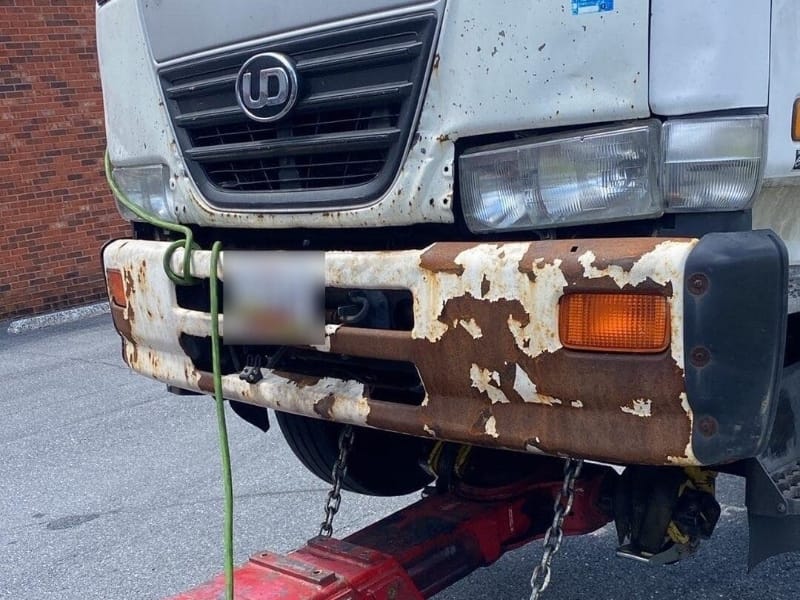
We often arrive to find a truck sidelined due to overheating. Radiators clog, coolant levels drop, and fans stop doing their job. Once temperatures climb, the engine can’t keep up with the workload.
Drivers sometimes notice the warning signs early, but traffic conditions on I-95 make it hard to pull over right away. That delay can turn a manageable issue into a full breakdown that requires a heavy tow truck.
Tire Blowouts and Road Hazards
Tires deal with constant pressure, heat, and debris on the highway. A single weak spot can lead to a blowout, especially at highway speeds. When that happens, the damage can extend beyond the tire itself.
We’ve seen situations where:
- Tire fragments damage nearby components
- Sudden loss of control forces an emergency stop
- Multiple tires fail due to uneven wear
Mechanical Wear from Heavy Loads
We see how weight impacts every part of a truck. The heavier the load, the harder the engine, brakes, and transmission have to work. Over time, that stress builds up. Braking systems wear down faster than many expect. Transmission components heat up under pressure. Even suspension parts begin to struggle under repeated strain.
Brake System Failures
Brake issues are one of the more serious reasons we get dispatched. When brakes overheat or wear out, drivers lose control over stopping distance. Needless to say, that’s a major concern. In these cases, I-95 semi towing becomes necessary because continuing to drive puts everyone at risk. We often transport the truck to a repair facility right away.
Transmission and Drivetrain Issues
Transmission problems don’t always happen suddenly. We notice many trucks showing gradual signs before they finally stop moving. Slipping gears, delayed shifting, and unusual noises often come first. Once the drivetrain gives out, the truck can’t move under its own power.
Electrical and Fuel System Problems
Modern trucks rely heavily on electrical systems. Sensors, wiring, and onboard computers all play a role in keeping things running smoothly. When something fails, it can shut the entire truck down. Fuel delivery is another common issue. Clogged filters or faulty pumps interrupt the engine’s ability to run properly.
Battery and Electrical Failures
We respond to many calls where the issue traces back to the battery or wiring. Lights dim, systems shut off, and the truck becomes unresponsive. These situations often happen without much warning.
Fuel System Interruptions
Fuel problems can bring a trip to a sudden stop. Contaminated fuel, blocked lines, or failing pumps all prevent the engine from getting what it needs.
Past & Present Towing Delivers I-95 Semi Towing Done Right
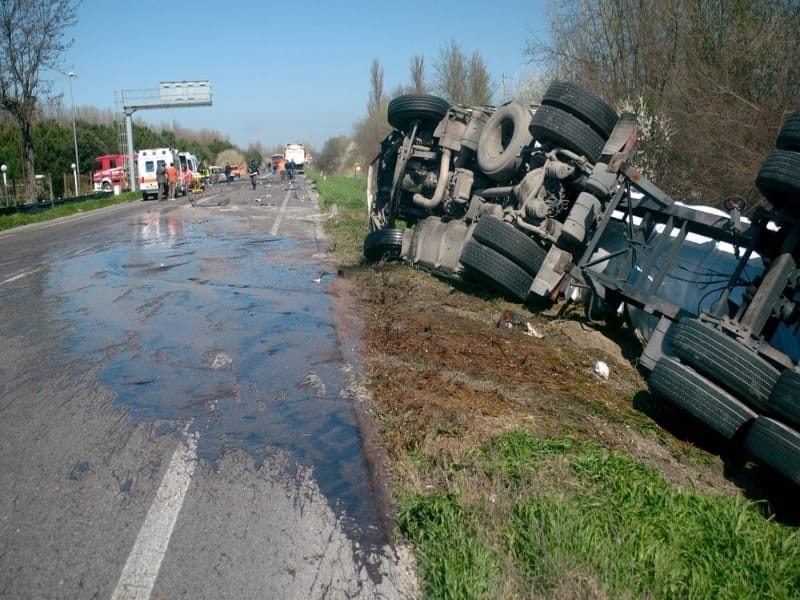
Our I-95 towing team has seen how quickly a routine drive can turn into a breakdown, especially along a corridor like I-95. At Past & Present Towing, we handle these situations every day and stay ready to respond when trucks need help the most.
Our team provides I-95 semi towing with a focus on clear communication and steady handling from start to finish. We move quickly, assess the situation, and get the truck where it needs to go. I-95 semi towing calls for experience and awareness of traffic flow, and we bring that into every job we take on. When drivers call us for I-95 semi towing, we show up prepared to get them moving again or safely off the road without added stress.
FAQ
What are early warning signs of a semi-truck breakdown?
We often notice small changes before a full breakdown happens. Drivers may see rising engine temperatures, slower acceleration, unusual vibrations, or warning lights on the dashboard. Addressing these signs early can prevent larger mechanical issues.
How often should semi-trucks be inspected to avoid breakdowns?
Regular inspections should happen daily before trips and more detailed checks should follow a set maintenance schedule. Consistent inspections help catch worn parts, fluid issues, and tire damage before they lead to roadside problems.
Can weather conditions increase the risk of truck breakdowns?
Yes, extreme temperatures and poor road conditions put extra stress on key systems. Heat can strain cooling systems and tires, while cold weather affects batteries, fuel flow, and engine performance.
What should a driver do immediately after a breakdown?
The first step is to move the truck to a safe location if possible. Turning on hazard lights and setting up warning triangles helps alert other drivers. After that, contacting a towing provider ensures the situation gets handled properly.
Are breakdowns more common with older trucks?
Older trucks tend to experience more mechanical wear, but breakdowns can happen to any vehicle without proper maintenance. Consistent servicing plays a bigger role than age alone.
How can load management help prevent breakdowns?
Keeping loads balanced and within weight limits reduces strain on the engine, suspension, and tires. Poor load distribution can lead to uneven wear and increase the chances of mechanical failure.