A Tale of Two Roads
The roads around the Maryland and DC metro area cover a remarkable range in a short distance. Dense residential neighborhoods. Tight commercial streets. Multi-lane arterials. All sit within miles of I-95 and the Capital Beltway, where traffic speed and freight volume change the character of every call. As a Takoma Park towing provider serving the broader Maryland region, we work this full spectrum daily, and the difference between a neighborhood recovery and a highway incident is substantial in almost every way.
That gap shapes how we train, how we equip, and how we dispatch. An operator who has worked both environments brings a different level of readiness to each call, and the two settings reward different skill sets.
City and Suburban Towing Runs on Patience and Positioning
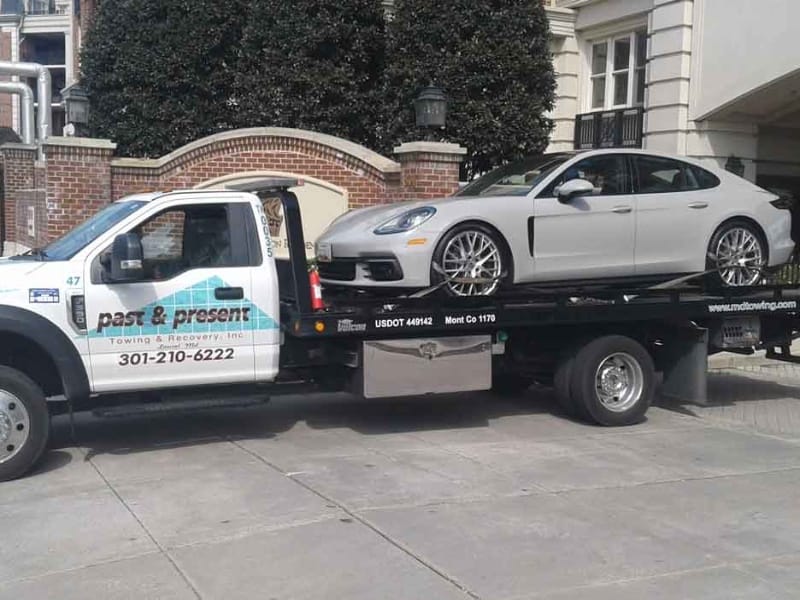
Dense residential streets in metro-area suburbs are among the more demanding environments for a tow truck operator to navigate. Parked cars on both sides, narrow lanes, short driveways, and overhead utilities create a complex approach on nearly every city call. Operators learn to read these environments quickly, choosing the right unit and the right rigging before committing to any movement.
Traffic management on city calls adds a layer of coordination that highway work handles differently. On a residential or commercial street, our crew manages slow-moving vehicles approaching from close range, often without the benefit of additional lane space or shoulder room. Getting in and out cleanly without creating a secondary traffic problem is something experienced urban operators learn to do as a matter of routine.
What the Operator Notices First on a Takoma Park Towing Scene
Arriving on a Takoma Park towing scene, the first read is always spatial: how wide is the road, how many cars are parked on each side, what is overhead, and what angle gives the cleanest approach. Those factors determine the rigging setup before the operator touches the controls. City operators run through this assessment in seconds, and the speed comes from repetition across varied environments over time.
Highway Calls Operate at a Different Risk Level
Once a call comes in from an active highway, the priority order changes. Our Takoma Park towing operators treat scene safety and lighting deployment as the first actions on any highway call, because the exposure to fast-moving traffic on a shoulder or active lane demands it. The recovery does not begin until the environment is controlled, and every member of the crew knows this before they get behind the wheel.
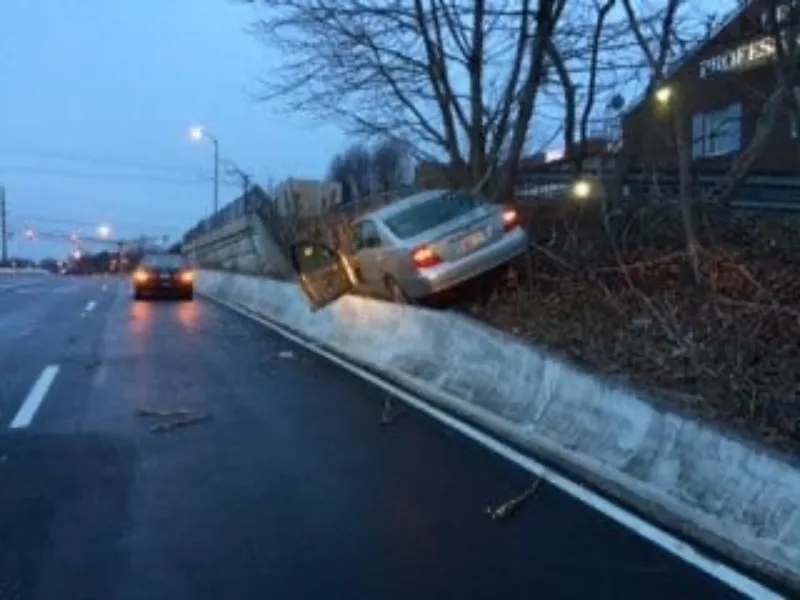
Equipment requirements on highway calls also scale considerably. Commercial trucks, large trailers, rollover recoveries, and vehicles that have gone off the roadway all require configurations that a standard city unit cannot handle. Our Takoma Park towing team stages the right equipment before leaving the yard on every high-speed corridor call.
How the Right Truck Changes the Outcome on Both Road Types
Getting the right unit to the right call is as much a dispatch function as a driving one. Here is how the equipment requirements typically break down:
City and suburban calls typically require:
- Compact, maneuverable wheel-lift units
- Standard safety lighting
- Short-wheelbase trucks for tight residential streets
Highway and major corridor calls typically require:
- Flatbeds for high-damage and all-wheel-drive vehicles
- Extended boom configurations
- High-intensity safety lighting packages
- Heavy-duty rigging for commercial loads
Our Takoma Park towing dispatchers ask the right questions before the truck rolls because matching equipment to the job saves time and gets the customer moving faster.
Past & Present Towing: The Takoma Park Towing Team Maryland Trusts
Past & Present Towing has served the Maryland community since 1991, growing from a small operation in College Park into a full-service towing and recovery company based in Laurel. Our Takoma Park towing coverage spans the broader Maryland region, and our fleet handles everything from light passenger vehicles to heavy-duty commercial recovery. We built this operation on rigorous driver screening, a zero-tolerance drug and alcohol policy, and a track record of doing the job right the first time.
From tight neighborhood streets to the major interstate corridors, every Takoma Park towing call gets the same level of preparation. No hidden fees, no surprise add-ons, and a straightforward approach that treats every driver with respect. When you need a tow in the Maryland area, Past & Present Towing is the team that shows up ready.
FAQ
What is the best way to find a reliable towing company before I actually need one?
Look for companies with verifiable local history, clear pricing policies, and references from police or fire departments in the area, as these organizations hold vendors to high standards. Checking for industry association memberships is also a useful indicator of a company that stays current on training and safety requirements.
How do reputable towing companies screen and qualify their drivers?
Most professional towing companies require background checks, drug testing, and hands-on in-field training before a driver operates independently. Some companies also require commercial driver licenses for certain vehicle categories. Asking a towing company directly about their screening process gives a clear sense of how seriously they take the work.
What should I expect when my vehicle arrives at a tow yard?
The receiving staff should document the vehicle’s condition on arrival, provide you with a clear record of what was towed, and explain any storage policies and fees that apply. Ask for a written copy of the intake documentation before you leave the lot so you have a record in case of any disputes later.
What is the difference between towing and recovery?
Towing moves a disabled vehicle that is still in a drivable or accessible position. Recovery involves extracting a vehicle from a position it cannot be moved from by normal means, such as an embankment, a ditch, or an accident scene where rigging or specialized lifting equipment is required. Recovery operations typically take longer and require more equipment.
Can a vehicle be damaged if it is not rigged correctly for towing?
Yes. Improper rigging can stress the drivetrain, damage the undercarriage, or cause the vehicle to shift during transport. All-wheel-drive vehicles are particularly sensitive to rigging errors. Using the correct lift type for the vehicle and verifying that the vehicle is properly secured before moving is standard procedure for any professional operator.
How do I know if I am being quoted a fair price for a tow?
A reputable towing company will quote a rate before the truck rolls and will not add unexpected fees after the job. Flat rates tied to specific service types are more predictable than open-ended mileage formulas. If a company will not give a clear quote before dispatch, that is a useful signal about how they operate.