

Heavy Loads and Tight Timelines: Planning Heavy Transport
CALL (301) 210-6222Moving Big Weight Through Busy Interstate Traffic
A loaded lowboy does not forgive bad timing on I-95. We have seen equipment moves get stuck between Laurel and Baltimore simply because the route looked fine on a phone map. For I-95 heavy transport, the small details like lane closures, fuel stops, and bridge clearance can decide how the whole day goes. Around this stretch of Maryland, timing matters almost as much as horsepower. Towing operators may try to move a large vehicle through the Capital Beltway at 4:30 p.m. on a Friday and end up parked on the shoulder burning daylight and fuel. Heavy hauling on I-95 takes planning long before the truck pulls out of the yard.
Route Planning Starts Before the Truck Moves
The biggest mistake we see with I-95 heavy transport jobs is relying too heavily on standard GPS routing. Passenger car navigation apps do not account for bridge restrictions, construction lane shifts, weigh station activity, or temporary closures. We still keep printed route notes in some trucks because road conditions can change fast between Washington, Baltimore, and northern Maryland.
Permits are another part people underestimate. Maryland oversize permits can take time depending on axle weights and dimensions. A load moving through multiple states along I-95 might need separate approvals for Maryland, Delaware, Virginia, and beyond. One wrong measurement on paperwork can delay an entire move for hours.
Traffic Windows Matter More Than Speed
A lot of newer operators think the goal is simply to keep moving. That usually backfires. We would rather stage a truck near Route 1 for an hour than force it into stop-and-go traffic around the Baltimore Harbor Tunnel.
Heavy transport crews also need room to react. Sudden lane changes from passenger vehicles happen constantly on I-95. The heavier the load, the longer the stopping distance gets. That changes how we plan escort spacing and lane positioning.
Equipment Choice Changes the Entire Job
Not every trailer setup works for every haul. A loaded excavator heading north through Maryland creates different problems than moving a vintage bus or industrial generator. Weight distribution matters. So does height. We measure loads more than once because a few inches can become a serious issue under older overpasses.
For many I-95 heavy transport runs, we look closely at:
- Axle spacing
- Overall load height
- Tire condition
- Securement points
- Fuel stop access
- Weather along the route
- Construction zones near exits
Even fuel planning matters more than people expect. Some stations simply cannot fit a long combination vehicle pulling oversized cargo. We have seen drivers back out into traffic because a stop looked accessible from the road but had no turning radius once inside.
Weather Can Shift Fast
Maryland weather creates problems year-round. Summer heat can affect tire pressure and asphalt conditions. Winter ice around bridges near Baltimore and Howard County changes braking performance fast.
Wind is another thing people ignore during I-95 heavy transport planning. Empty trailers can move around in crosswinds, but tall loads catch wind hard near open stretches of interstate. We monitor forecasts constantly during larger recoveries and equipment relocations.
Breakdowns During Heavy Transport Create Bigger Problems
A disabled passenger car on the shoulder is one thing. A disabled tractor trailer hauling oversized equipment during rush hour is something else entirely. The recovery space alone becomes difficult once traffic stacks up behind the scene.
We usually spend extra time before transport checking airlines, hubs, straps, and hydraulic systems because roadside repairs on I-95 are rarely simple. Some breakdowns force partial lane closures just to create enough working room for the recovery truck.
We have also learned that communication matters as much as equipment during these jobs. Escort drivers, dispatchers, and operators need constant updates. A missed radio call near a split interchange can separate a convoy quickly.
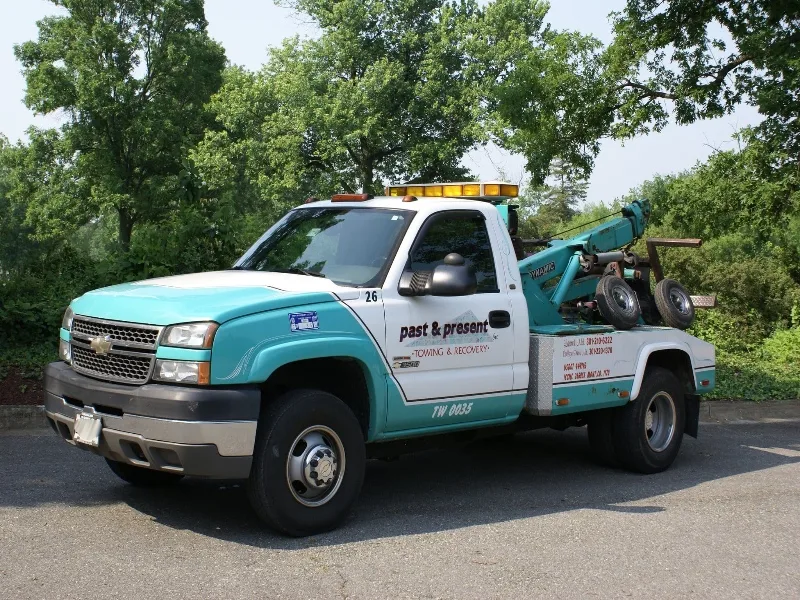
How Past & Present Towing Handles I-95 Heavy Transport Work
At Past & Present Towing, I-95 heavy transport work has been part of daily operations for decades. Established in 1991 and originally operating as New Carrollton Road Service, the company built its reputation around towing, recovery, and heavy-duty truck service throughout Maryland. The move to Laurel in 2004 gave the company better access to major routes like I-95, Route 1, and the Beltway, which still shapes many of the calls we handle today.
Our fleet has changed a lot over the years, but the mindset stays the same. We still pay attention to the details that keep heavy moves under control, from route timing to equipment checks to driver screening. Around Laurel, College Park, and the Baltimore corridor, most I-95 heavy transport calls come down to planning ahead and staying flexible once traffic, weather, or mechanical issues start changing the day.
FAQs
What should drivers check before hauling oversized equipment?
Drivers should inspect tires, brakes, straps, chains, lights, and hydraulic systems before departure. Small mechanical problems get much worse once the truck is sitting on the shoulder during traffic. Route paperwork should also stay easy to reach in the cab.
How long does an oversize permit usually take?
That depends on the load size and the states involved. Some permits can get approved the same day, while others take longer if escort vehicles or restricted travel hours are required. Holiday weekends can slow the process down too.
Can weather stop a heavy haul completely?
Yes. High winds, freezing rain, and poor visibility can shut down certain moves temporarily. Tall loads become harder to control during strong crosswinds, especially on open interstate stretches.
Why do some transport crews avoid rush hour?
Heavy trucks need extra space to merge, stop, and change lanes. Dense traffic increases the chance of sudden braking and side-swipes from passenger vehicles trying to squeeze around the load. Sitting in traffic also burns fuel and driver hours quickly.
What causes most roadside breakdowns during long hauls?
We see a lot of tire failures, air system leaks, overheated hubs, and securement problems. Loads shift more often than people think during long trips. Even a loose chain can stop the entire run until it gets fixed.
Do escort vehicles always travel with oversized loads?
Not always. Escort requirements depend on dimensions, route restrictions, and state rules. Some loads only need one pilot car, while larger equipment may require front and rear escorts plus restricted travel times.